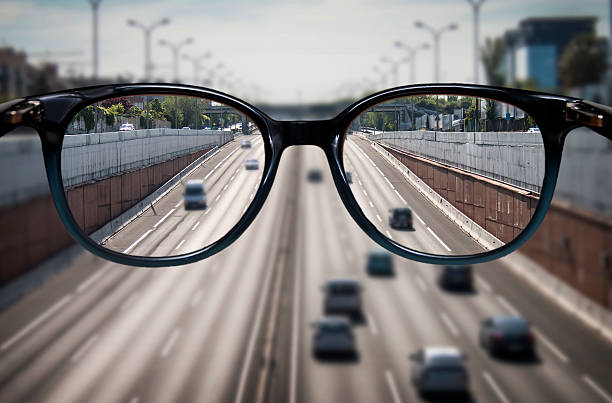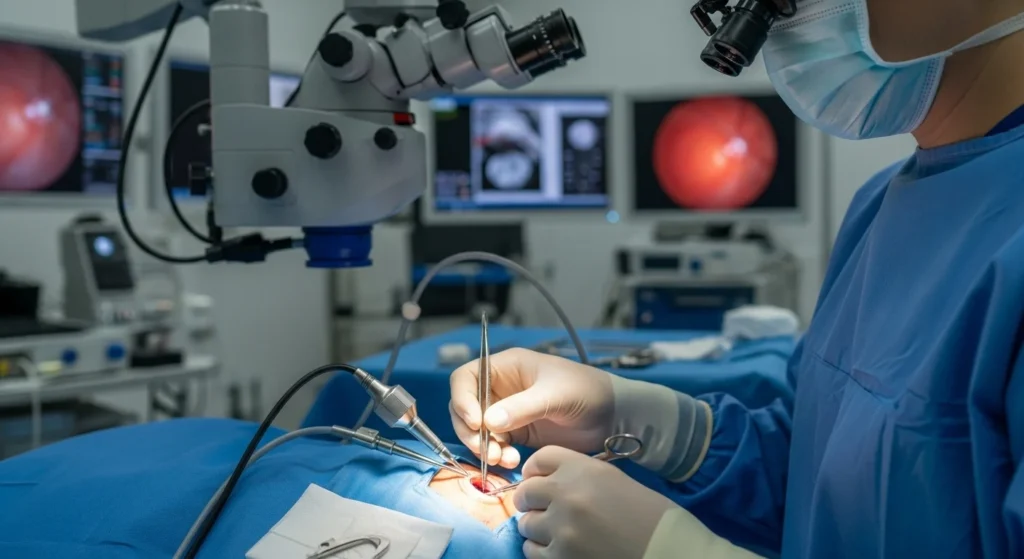
Imagine starting your day with a clear view of your surroundings, without first reaching for your spectacles. Many people suffering from refractive disorders might benefit from laser vision correction.
LASIK eye surgery in India is a popular method for curing common refractive errors like myopia, hyperopia, and astigmatism. Advances in mapping, diagnostics, and laser technology have also brought several correction methods into play, including Standard LASIK, Femto LASIK, and topography-guided LASIK such as Contoura, SMILE, and lenticule-based procedures.
However, choosing the right LASIK eye surgery cannot always be about choosing the most recent or expensive technology. Factors like the health of your cornea, your prescription, age, lifestyle, and eye structure will determine the method suitable for you.
Here is a complete guide on types of LASIK. LASIK eye surgery cost in India, eligibility criteria, procedure, recovery period, benefits, and more.
What Is LASIK Eye Surgery?
LASIK is short for Laser-Assisted In Situ Keratomileusis. It is a surgical process where the cornea shape is altered such that the light entering through it is properly focused on the retina.
It can be applied for treating:
- Myopia: trouble viewing objects that are far
- Hyperopia: trouble viewing objects that are near
- Astigmatism: blurred vision due to irregular cornea curvature
LASIK surgery can be conducted with the help of specific laser technology after thoroughly examining the patient’s eyes.
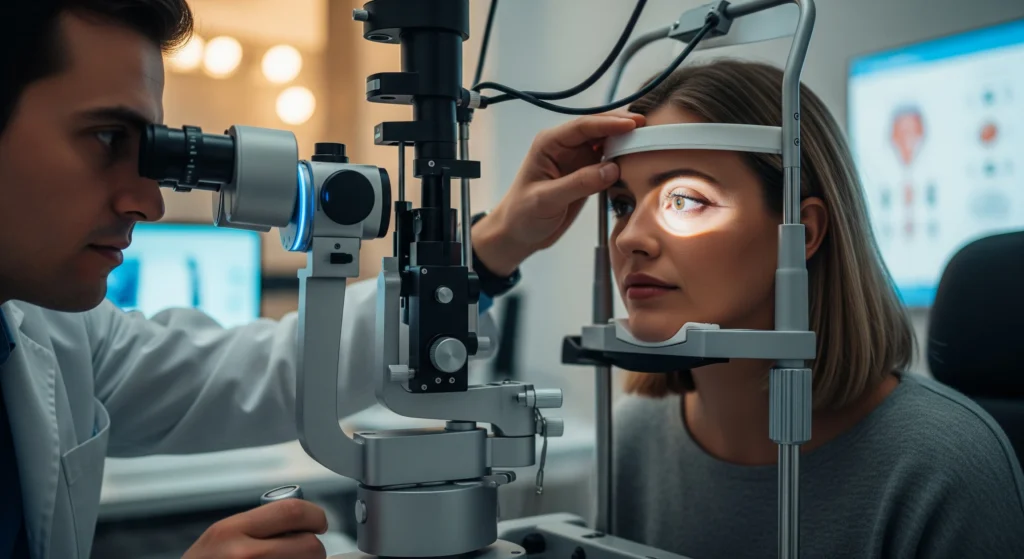
A LASIK eye surgery consultation is very important, as not everyone is a good candidate for LASIK surgery.
Types of LASIK and laser vision correction available in India
Many vision correction methods are now available. The selection of the correct technique depends on the measurements of the patient’s eye, along with other requirements of the clinic.
- Standard LASIK
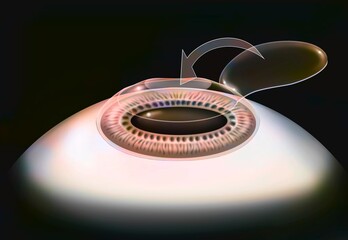
Standard LASIK uses a corneal flap followed by excimer laser treatment to reshape the cornea. It can be an effective option for appropriately selected patients with suitable corneal characteristics.
- Femto LASIK or Bladeless LASIK
This surgery involves using a femtosecond laser to create a corneal flap, which replaces the use of the traditional mechanical microkeratome device. With this type of laser surgery, one can precisely set the parameters of the procedure.
The suitability of this surgical technique will depend on the measurements of the patient’s cornea and the condition of his/her eyes.
- Contoura Vision
This surgical technique is based on the topography of the surface of the cornea. It is used to customize laser treatment of eligible patients.
When there is a need for a customized treatment program, this surgical method might be considered; however, eligibility for the treatment must be determined through preoperative tests.
- SMILE Surgery
SMILE stands for Small Incision Lenticule Extraction. It is another laser vision-correction procedure, during which instead of making a LASIK flap, the surgeon will remove a thin layer of corneal tissue through a small incision.
This procedure may be used for selected patients.
- SILK Surgery
SILK is an advanced lenticule-based vision correction procedure that is offered at select centers. Similar to other refractive surgery procedures, this surgical procedure’s eligibility will depend on several parameters, including the refractive error, cornea features, and eye health.
Due to different technology and availability at different centers, one must consult with a refractive surgeon.
LASIK Eye Surgery Cost in India
The first question that usually comes to mind of many patients is, “What is the cost of LASIK in India?”
There is no particular cost as such, because the costs depend upon the type of surgery, the technology used, the doctor performing the surgery, the facility where the surgery is being performed, the diagnostic test, and the aftercare facility.
Some of the commonly quoted costs of LASIK eye surgery in India range between ₹25,000 to ₹120,000 for both eyes; however, the actual cost can be either less than or more than that.
Cost of LASIK Surgery—Factors That Affect
- Type of Procedure
The cost of standard LASIK, femto LASIK, custom LASIK, Contoura, and SMILE could vary.
- Diagnostic Tests
The preoperative diagnostic test may include corneal topography, tomography, pachymetry, refraction, tear-film test, and other related tests.
- The Doctor’s Experience
The experience of the surgeon in conducting the refractive surgery is likely to affect the total cost of the treatment.
- Hospital/Clinic
Facilities, technology, staff, follow-up services, and the place of the facility can also make the prices different.
- Follow-Up Services
Find out if the quoted price covers follow-up procedures, eye drop prescriptions, etc.
Never Decide on LASIK Treatment Based Only on Its Cost
Low LASIK cost may seem appealing, but the cost should not be the only criterion for choosing one. Ask about:
- What kind of procedure is offered?
- What kind of technology is used?
- What diagnostic tests come with it?
- What doctor will conduct the procedure?
- What services do the quoted costs include?
- What follow-up procedures are included?
Knowing that the quote is clear helps compare options.
Who Can Undergo LASIK?
LASIK is not right for all individuals. The eye doctor will consider many aspects before recommending the procedure.
Age
The patient must be an adult, and the refractive power must be relatively stable. Age alone cannot define suitability.
Stable Refractive Power
It is crucial for a stable prescription to exist since any considerable change will influence the desired outcome.
Corneal Health
Corneal thickness and health status are considered when assessing whether LASIK is an appropriate solution.
Eye Condition
Issues like dry eye syndrome, corneal disease, uncontrolled glaucoma, or other eye problems might influence the candidacy.
Overall Health
Some diseases, drugs, or even transient physiological states could affect the decision regarding timing of the refractive surgery.
Your doctor will examine your health and ocular history before giving you any advice.
What Goes On During the LASIK Procedure?
Even though the surgery itself is fairly quick, a lot of preparation goes on before that.
Step 1: Eye Examination
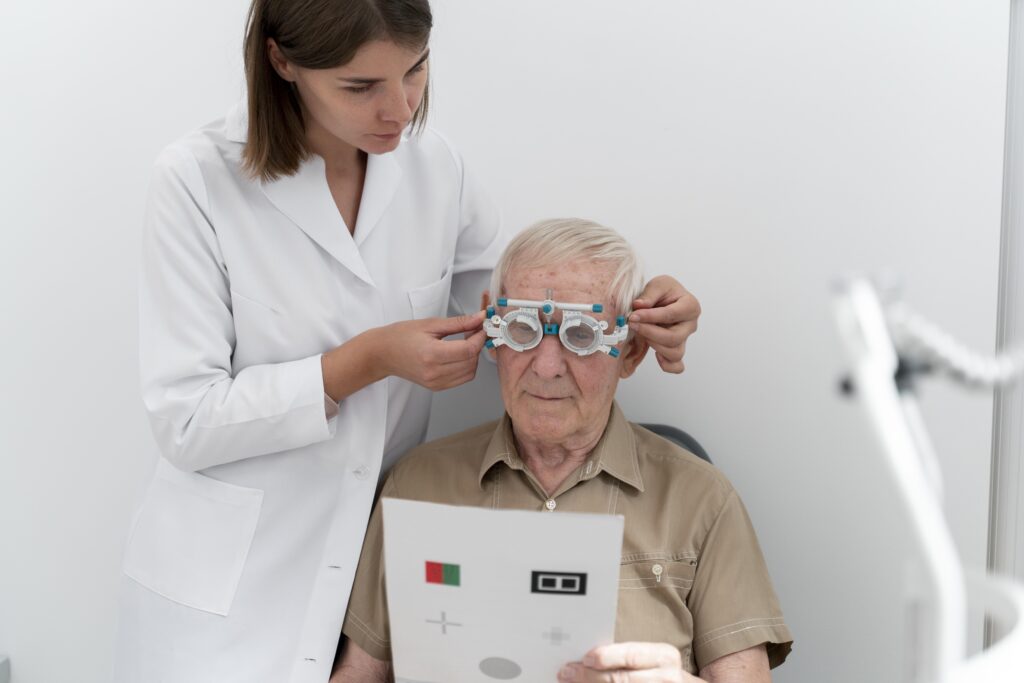
Your physician analyzes your prescription, the structure of your cornea, tear film, pupil, and overall health of your eyes.
Step 2: Choosing of the Procedure
The proper laser procedure and its parameters are chosen on the basis of your eye examination.
Step 3: Application of the Anesthetic Eye Drops
Eye drops are applied to anesthetize the surface of your eye.
Step 4: Treatment of the Cornea
According to the specific technique, either a corneal flap or access point is created, and then the cornea is reshaped with the help of laser treatment.
Step 5: Conclusion and Monitoring
The physician completes the procedure and examines the eye prior to giving postoperative recommendations.
The laser procedure itself is relatively fast; however, the whole process of being in the surgical center might be prolonged due to the preparation and monitoring processes.
Laser Vision Correction: How Long Does It Take to Recover?
The recovery process after the procedure depends on the individual case and the procedure that was done.
Some patients may have an immediate improvement of their vision, whereas others may need additional time for stabilization.
While recovering, you may face such problems as
- Irritation
- Dryness
- Blurred vision
- Sensitivity to light
- Watering
- Fluctuation of vision
Your eye specialist will prescribe you some medication and give recommendations on how to take care of your eyes.
Tips for Recovering
- Do not rub your eyes.
- Use the prescribed medication strictly according to the instructions.
- Have follow-up appointments.
- Do not go swimming without permission from your doctor.
- Protect your eyes from dust and other irritants.
- Obey the activity limitations prescribed by your doctor.
Do not try to evaluate the results of the surgery immediately after the operation. They may continue to appear later.
Advantages of LASIK Surgery on Eyes
In cases when patients are eligible, there may be a number of advantages of laser vision correction surgery.
Lessened Need for Eyewear
Many people choose LASIK eye surgery as a means of getting freedom from glasses or contacts.
Easier Way to Perform Everyday Tasks
Unassisted vision can help with performing such tasks as sports activities, traveling, swimming, and outdoor activities.
Fast Recovery of Vision
Vision gets better in many appropriate patients relatively quickly after surgery. But the pace of recovery is different in various patients.
Personalized Treatments
Modern diagnostics allow the surgeon to examine the cornea in more detail and use personalized treatment parameters based on the results of this examination.
Permanent Vision Correction
LASIK provides a permanent correction of the chosen refractive error. But it cannot prevent natural changes associated with aging of the eye.
Is LASIK Surgery Safe and Harmless?
No surgery can be done without any risks.
Some patients may have such temporary or permanent problems as
- Dry eyes
- Halos and glares
- Blurred vision
- Undercorrection or overcorrection
- Infection or inflammation
- Corneal problems
The chances of having complications differ among patients. The preoperative examination allows the surgeon to detect risky factors.
The Procedure to Select a Good LASIK Surgeon in India
Looking for the best LASIK surgeon in India is not about looking for a high-cost facility or even the one that has the best online reputation.
It is important that you keep in mind the following things:
Qualification of Surgeon
Selecting an experienced ophthalmologist who has the relevant qualification for conducting the surgery is necessary.
Diagnostic Technology
An accurate eye diagnostic and mapping test should be performed in order to plan your surgery.
Procedure
A good refractive surgeon should do the tests for your eyes instead of prescribing the same surgery to all patients.
Cost
Check the price of surgery and ask for the total price beforehand.
Post-Operative Treatment
Knowing the process of follow-up examination and whom to contact in case of a problem is necessary.
LASIK vs Other Vision Correction Methods
There are many ways to perform the refractive correction, and your doctor may recommend one of these based on your eye measurements:
Procedure and General Approach
LASIK: corneal sculpting with a flap method
Femto LASIK: LASIK procedure with a flap created by a femtosecond laser
Contoura: Treatment using topographically customized laser correction
SMILE: Small incision lenticule extraction procedure
PRK: surface laser vision correction procedure
SILK: A newer lenticule procedure for refractive correction
ICL: implantable lens procedure for certain candidates
It all depends on your personal measurements.
conclusion
Finding the best LASIK eye surgery in India will begin with understanding your own eyes and not comparing LASIK methods by price alone.
Standard LASIK, Femto LASIK, Contoura, SMILE, PRK, SILK, and many other vision correction methods are each unique in their techniques, strengths, weaknesses, and patient eligibility requirements.
A LASIK eye surgery consultation with an experienced ophthalmologist can help establish whether you need any form of laser eye surgery and which method would suit your needs best.
The point should not be about finding the least expensive LASIK or the most advanced method, but about the right doctor, proper diagnostics, treatment, and follow-up.