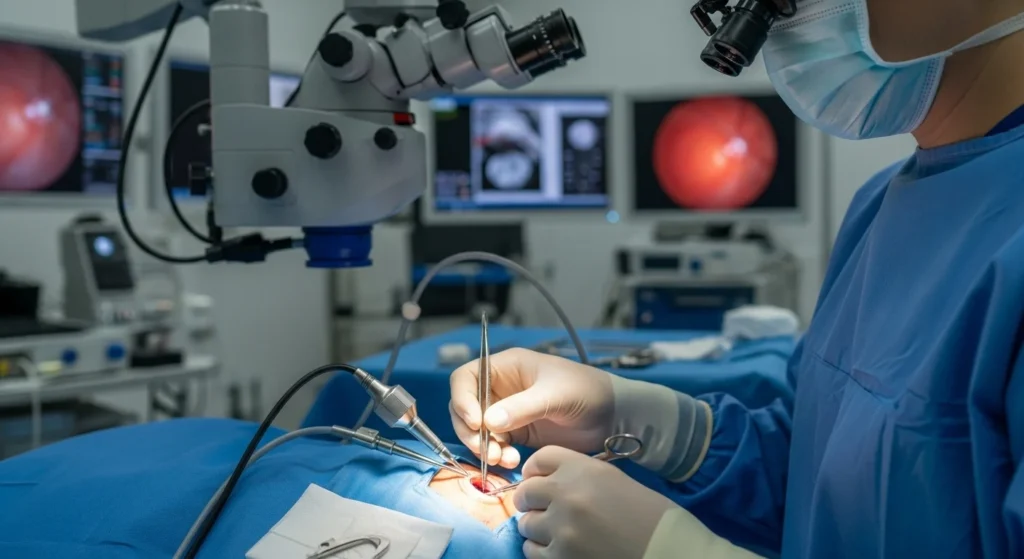
Imagine opening your eyes each morning and seeing clearly without reaching for your glasses. To those who have been using glasses or lenses for a long time, undergoing LASIK eye surgery may seem like a convenient choice.
LASIK is one of the most popular procedures for vision correction, where the cornea is shaped to solve some eye issues. Current technology and techniques used by eye doctors help to assess the individual’s eyes and decide which type of surgery suits the patient best.
Before considering LASIK, it is important to understand how the procedure works and what the treatment involves.
What Is LASIK Eye Surgery?
LASIK, or Laser-Assisted In Situ Keratomileusis, is a laser-based procedure that reshapes the cornea, which is the clear front layer of the eye.
This surgery can help treat refractive conditions like:
- Myopia (nearsightedness), or trouble viewing distant objects
- Hyperopia (farsightedness), or difficulty viewing close objects
- Astigmatism, a condition in which there is blurred vision because of an irregularly shaped cornea
Reshaping of the cornea enables light to focus better on the retina.
How Does LASIK Work?
In LASIK, the cornea is surgically reshaped with the aid of a laser. The surgery progresses through several precise stages to safely reshape the cornea.
Step 1 – Preparation of the Eye
Numbing eye drops are administered to keep the eye comfortable throughout the procedure. The surgical site is prepared as per clinical protocol.
Step 2 – Creating the Corneal Flap
During LASIK, the surgeon creates a precise, thin flap in the corneal tissue. Depending on the type of surgery performed, a femtosecond laser might be used to create the flap.
Step 3 – Reshaping of the Cornea
An excimer laser is used to remove tiny pieces of the corneal tissue as per the individual’s treatment prescription.
Step 4 Replacing the Flap
Once the cornea has been altered, the flap is then precisely placed back into its original position and allowed to heal naturally.
While the LASIK process is relatively quick, the whole visit involves preparatory and postoperative evaluations.
Who May Be Suitable for LASIK Eye Surgery?
Not everyone with a refractive problem qualifies for LASIK. An extensive eye exam must be conducted prior to LASIK.
Common requirements include:
- Proper age for refractive surgery
- A prescription that does not fluctuate significantly
- Good health of the corneas and sufficient thickness
- Absence of serious untreated eye problems
- A realistic outcome expectation
Certain medical conditions, medications, pregnancy or breastfeeding, severe dry eye, and corneal abnormalities may affect LASIK eligibility or the timing of treatment.
Your ophthalmologist will review your eyes thoroughly before suggesting LASIK.
Advantages of LASIK Eye Surgery
There are a number of benefits that LASIK may bring to suitable patients.
Less Need for Spectacles
Many patients opt for LASIK in order to have less dependency on eyeglasses or contacts when going about their day-to-day life.
Quick Recovery of Vision
Many patients see improvement in visual acuity rather quickly, but recovery times vary.
Quick Procedure
The procedure is done on an outpatient basis and usually takes no more than a few hours at the surgery center.
Improved Quality of Life
Being less dependent on corrective eyewear can help you enjoy certain activities, such as exercising, traveling, swimming, and being outdoors, in a better way.
Permanent Correction
LASIK can offer a permanent correction of the treated refractive issue. Nevertheless, it cannot stop the natural aging of your eyes, such as the development of presbyopia.
What Happens Before LASIK Surgery?
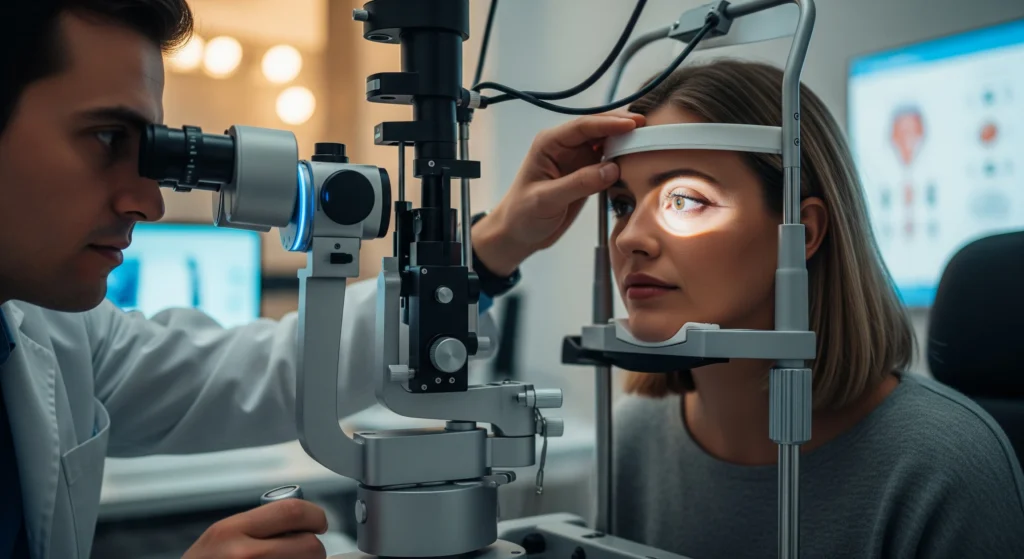
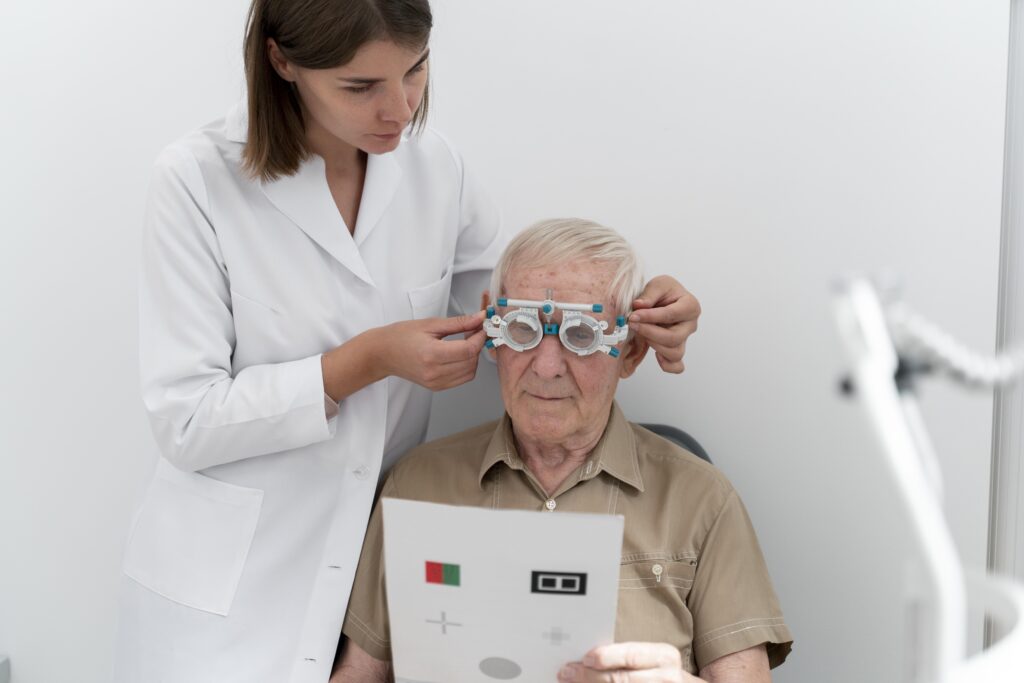
An individual LASIK eye surgery consultation will determine whether this type of procedure would be suitable for your eyes.
Your ophthalmologist will check:
- Glasses/contact lens prescription
- Corneal thickness
- Shape of the cornea and its surface
- Dry eye status and tear film quality
- Pupil size
- Eye and retina health
- Medical background
In case you use contact lenses, your expert will tell you to stop using them for a certain time before measurements since wearing contacts changes the shape of your cornea temporarily.
These evaluations help your surgeon determine the most appropriate treatment approach or recommend an alternative if LASIK is not suitable.
How Is LASIK Surgery Performed?
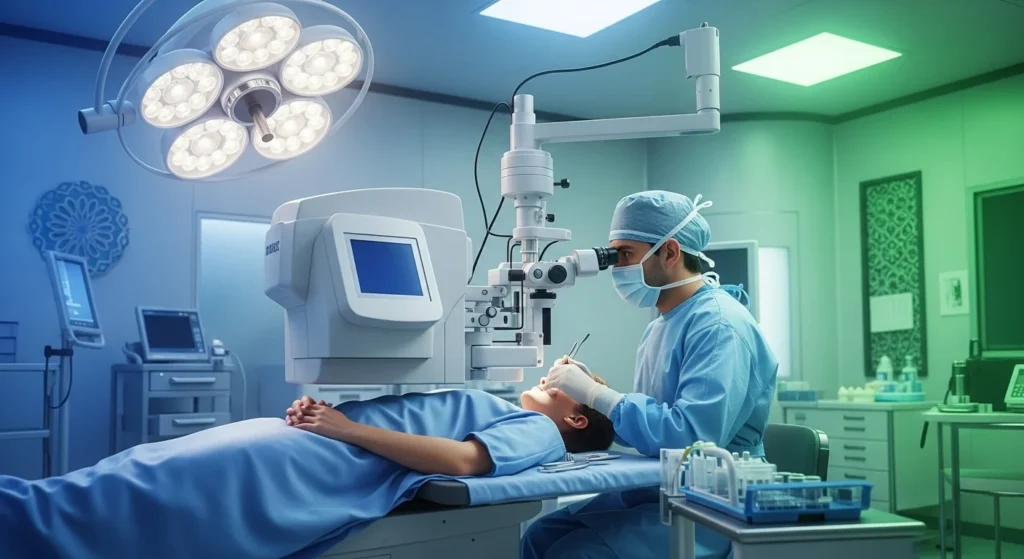
The procedure is done under special surgical conditions.
Prior to treatment, eye drops that numb your eyes are applied to you. You stay awake throughout the whole procedure, and your doctor tells you what is going on at each step.
A mild feeling of pressure may occur during treatment, while significant discomfort is generally uncommon.
When the procedure is finished after the laser shapes the cornea, you will be discharged with all necessary information for the recovery.
LASIK Healing: What Can You Expect?
The healing process following LASIK surgery is fast; however, it varies among different individuals.
Immediately Post-Surgery
You can expect:
- Watery eyes
- Mild irritation
- Blurred vision temporarily
- Light sensitivity
- Gritty feeling in the eye
All these side effects usually get better during the early stages of your healing.
First Few Days
Most individuals report improvement in their vision within the first few days following their LASIK surgery. Mild dryness and visual clarity changes may still occur.
Several Weeks After
Your vision is expected to continue improving as your cornea heals. Your surgeon will advise you when you can safely return to activities such as swimming, exercise, and other activities that may irritate the eyes.
Eye drop use and follow-up visits are an important part of the healing process.
Potential Risk Factors and Complications Related to LASIK
Despite the excellent safety profile of LASIK surgery, it remains a surgical procedure, and certain risk factors and side effects could be possible.
They may include:
- Dry eye
- Glare and halo effect
- Vision changes during the healing process
- Light sensitivity
- Poor night vision
- Under-correcting or over-correcting
- Reversal of the initial refractive error
Major complications are rare, however, the risks depend on various factors such as the condition of the cornea, prescriptions, age, and eye health in general.
Pre-operative examination helps to detect those candidates for surgery who are more likely to develop some issues.
Other Laser Vision Correction Procedures
However, LASIK is not the only laser vision correction procedure. Depending on your eye parameters and needs, you doctor might propose other options, including:
- PRK
- SMILE
- Femto LASIK
- Topography-guided LASIK, etc.
Neither the most expensive nor the newest procedure is always the best one. The choice of treatment should be made according to your eye characteristics and your needs.
How to Pick the Best LASIK Eye Surgeon?
The selection of an experienced and competent ophthalmologist is an integral part of your treatment process.
When choosing between eye care clinics, think about the following factors:
- Qualifications and experience of the surgeon
- Quality of the preoperative examination
- Availability of laser equipment
- Variety of treatments offered
- Clarity concerning the costs of LASIK eye surgery
- Follow-up care and after-treatment services
- Explanation of possible risks and treatment results
This consultation must provide you with all necessary information.
Conclusion
LASIK surgery provides an established means to correct certain refractive conditions as well as eliminate the need for glasses and contact lenses. Advanced technology and careful testing before the surgery make it possible to customize a treatment plan for every particular individual.
However, LASIK surgery is not for everyone. A complete eye examination is vital before making the decision regarding the treatment. Discuss your eye health, treatment expectations, available procedures, potential risks, recovery requirements, and alternative options with an experienced ophthalmologist.
When all factors are taken into account, LASIK can become a great tool for improving vision.