As daily functions like reading, driving, facial recognition, and watching TV become progressively harder owing to blurry vision, cataracts could well be the cause behind it. Cataract eye surgery is a common procedure where the surgeon removes the natural lens of the eye and implants an artificial lens in its place.
Through the use of modern techniques, diagnostic equipment, and intraocular lens choices, a personalized treatment plan for your particular needs can be devised. Knowing more about this condition, procedure, and other factors will certainly increase your confidence about it.
Definition of Cataract
The formation of a cataract results from clouding of the natural lens of the eye. The natural lens is located right behind the iris and pupil and focuses the light onto the retina.
While cataracts are usually linked to aging, they can occur as a result of:
- Prior eye injuries
- Some illnesses
- Certain medications over time
- Previous eye surgeries
- Overexposure to ultraviolet light
- Other age changes of the eye
- Symptoms of Cataracts
Cataracts can form slowly, and they include:
- Blurry or cloudy vision
- Vision problems in low lighting
- Sensitivity to bright light
- Glare around light sources like headlamps
- Yellowing of colors perceived by the eyes
- Changing glasses prescriptions more often than before
- Difficulty reading and carrying out activities requiring sharp vision
These visual changes can start to affect your daily activities and may signal the presence of cataract or any other eye problem.
When Should You Consider Cataract Surgery?
Typically, the need for cataract surgery depends on how your vision is being impacted by the cataract.
You may have to consider speaking to an ophthalmologist if you experience trouble:
- Reading books and digital devices
- Driving, especially driving at night
- Working in comfort
- Identifying people’s faces
- Performing household chores
- Indulging in hobbies and outdoor activities
It is not necessary to wait until you experience extreme difficulty with your vision to get evaluated. An ophthalmologist will help you evaluate the cataract and tell you what needs to be done.
Eye drops or medicine do not help in removing the cataract. If the cataract impacts your vision considerably, surgery for removing the clouded lens is inevitable.
What is Cataract Surgery?
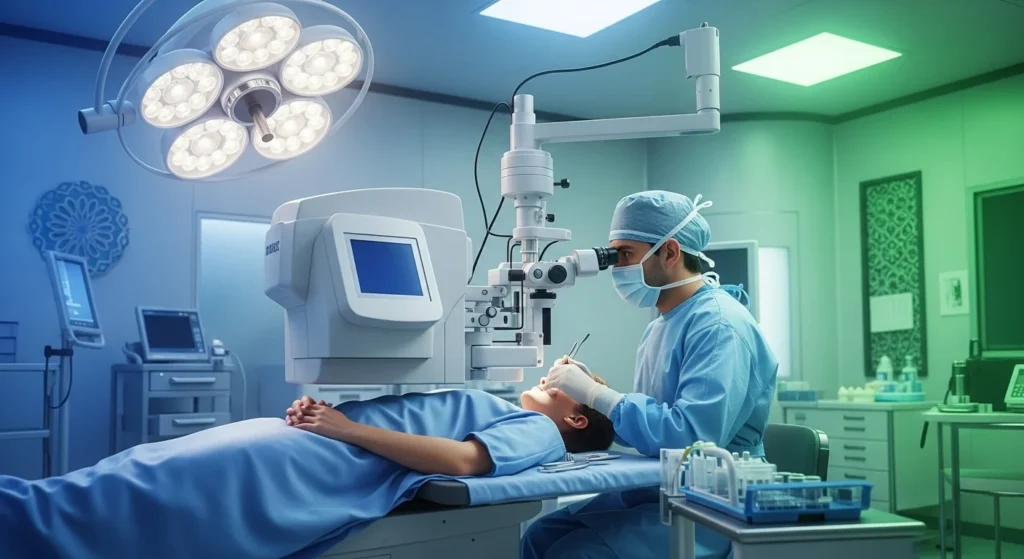
Cataract surgeries today are usually performed as an outpatient procedure. This may depend upon the eye health of the individual and also the doctor’s method.
- Preoperative Examining and Preparing the Eye
Prior to the surgery, the ophthalmologist takes detailed measurements of your eye. This helps in choosing the correct IOL for you and in identifying other eye problems.
- Anesthesia for the Eye
Eye numbing drops or other forms of anesthetic are applied to keep the patient comfortable throughout the process. The patient is awake during the procedure while the eye is comfortably numbed.
- Removal of the Cloudy Lens
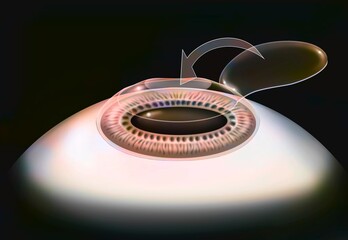
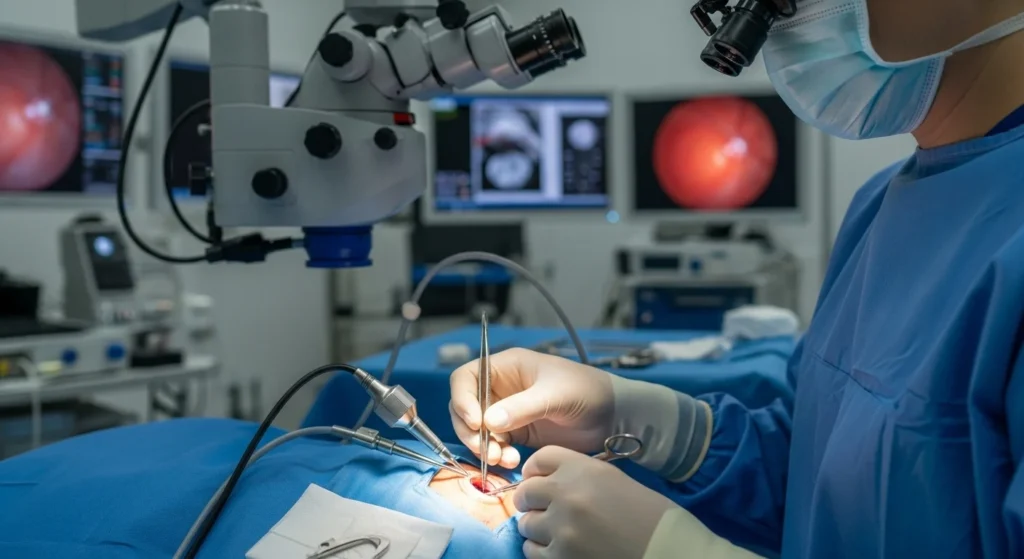
An incision is made on the eye, and the cloudy lens is fragmented into pieces and removed using microsurgery, which normally uses ultrasonic energy.
- Inserting the Intraocular Lens
After removing the cataract, a new lens is inserted into the eye. This new lens is known as the intraocular lens (IOL).
- End of Procedure
The incision is closed depending on the method used in the procedure.
The actual process takes a relatively short time, but the total time spent at the eye care center is longer due to the preparation and recovery period.
Intraocular Lens Types
Selecting the proper intraocular lens is crucial for cataract surgery, as the implanted lens will be used permanently.
Monofocal Lens
This type of IOL focuses the vision in one major way and is usually made for distance vision. Reading glasses will be required to see properly when doing close work.
Multifocal Lens
Multifocal intraocular lenses are designed to provide functional vision at multiple distances, potentially reducing the need for glasses.
Trifocal Lens
Trifocal lenses are designed to provide vision across near, intermediate, and distance ranges.
Toric Lens
These specialized lenses are designed to address astigmatism in patients who meet the required criteria.
The best lens is chosen depending on many factors, including corneal measurements, eye health, lifestyle, and patients’ preferences.
Advantages of Cataract Surgery
If the cataract is causing vision problems, then surgery might provide several advantages.
Better Vision
It becomes easier for the patient to see clearly after removal of the cloudy lens.
Color Appearance
Some patients feel that they get better color perception after the removal of their cloudy lens.
Ease in Conducting Day-to-Day Tasks
Better vision makes it easier for the patient to read, drive, work, etc.
Reduction in the Need for Wearing Glasses
Depending on the IOL and the individual’s needs, there may be a reduction in wearing glasses.
Better Standard of Living
With improved vision, patients find it easier to continue leading an independent life.
How Does One Recover After Undergoing Cataract Surgery?
Each patient will have a different recovery time depending on their condition. Some individuals may experience an improvement in their vision right away, while others may need more time for their vision to stabilize.
Short-term postoperative side effects may include:
- Irritation
- Tear production
- Sensitivity to light
- Vision changes
- Redness
Eye medication may be prescribed by your ophthalmologist during the recovery period.
Precautions During Your Post-Operative Recovery Period
During your recovery, some of the precautions that your surgeon may recommend include:
- Not putting pressure or touching your eye that underwent the procedure
- Applying the prescribed eye drops as directed
- Sleep with your eyes protected if necessary
- Do not go swimming until you get permission
- Avoid any strenuous physical activity as recommended
- Attending all your scheduled appointments
Your personal recovery recommendations will always take precedence over any general information provided.
Are There Any Risks Connected With Cataract Surgery?
Cataract surgery is highly safe, but there is always some danger connected with each operation.
Possible complications can be:
- Infection
- Inflammation
- Elevated intraocular pressure
- Corneal edema
- Retinal issues
- Complications associated with IOL
- Posterior capsule opacification
- Vision changes
The majority of patients have no problems with surgery recovery, but the risk for you is determined by your ocular health and general condition. Your ophthalmologist should inform you about possible dangers and benefits from the procedure.
How to Select the Right Cataract Surgeon and Eye Clinic
Choosing an eye-care facility should not be based only on the price comparison.
Pay attention to the following aspects:
Skilled Ophthalmologist
It is important to find a certified eye doctor with proper experience in cataract operations.
Comprehensive Eye Examination
Eye checkup will help to evaluate the degree of cataract development and other diseases that can negatively affect your vision.
Lens Types
Ask about various types of lenses and the one that is the most suitable for you.
Modern Surgical Facilities
Proper diagnostic and surgical tools may help in developing an appropriate treatment plan.
Transparency in Costs
Inquire about what is involved in the price for cataract eye surgery, such as diagnostic tests, the cost of the IOL, drugs, and follow-up consultations.
Follow-Up Care
There must be reliable follow-ups after the surgery. Ensure that you know when your follow-up examinations will be conducted and who you should approach in case of any problems.
Conclusion
The cloudy natural lens may cause visual problems in everyday life, but cataract surgery can be done to make the vision clear again. Thanks to new surgical methods and many types of intraocular lenses, the doctor can create an individualized treatment plan depending on eye condition and the needs of a patient.
It is important not to look for the latest model of intraocular lens or the cheapest cataract eye surgery cost, but rather find the optimal eye examination, competent surgeon, IOL, surgical method, and follow-up care.
If cloudy and blurred vision troubles you, then it is time to have your eyes examined by a competent ophthalmologist and see if there is a need for cataract surgery.