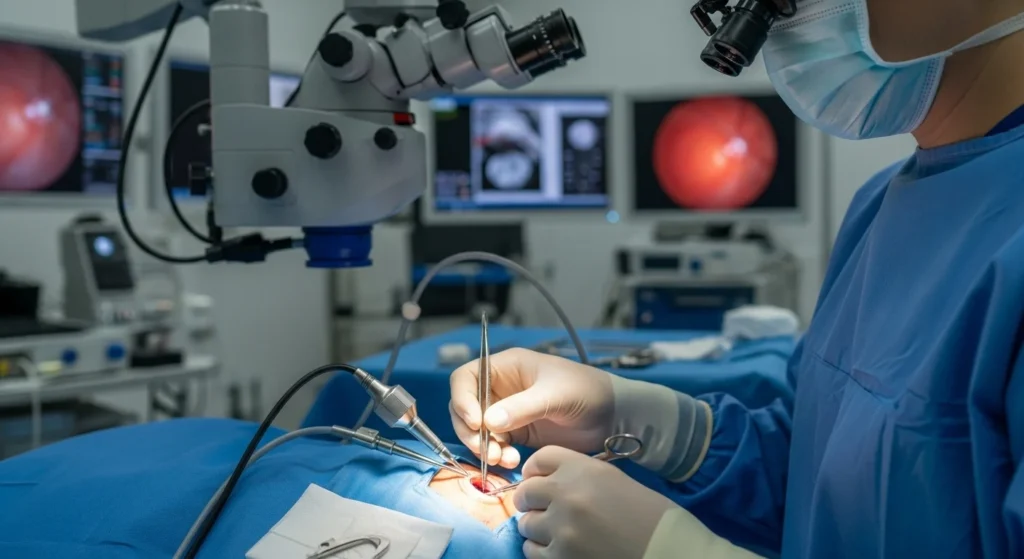
As the cataract worsens over time, one can notice the world around him become clouded, grey, or unclear. Activities such as reading, nighttime driving, recognizing faces, and doing various everyday activities become harder as the lens inside one’s eyes becomes cloudier. Thankfully, today there is a possibility of cataract surgery that removes the clouded lens from one’s eyes and replaces it with an artificial intraocular lens (IOL).
There are many technological developments when it comes to cataracts, which allow for a more advanced and less uncomfortable operation for many individuals. One of these new technologies used in cataract surgery could be laser cataract surgery. Yet again, it all depends on one’s eyes and his or her personal needs.
What Is a Cataract?
The natural lens in the eye starts becoming cloudy as a cataract forms. The function of the lens is to help focus light onto the retina, so clouding may affect vision.
Some common symptoms include:
- Blurred vision
- Trouble seeing at night
- Sensitivity to bright lights
- Light halos
- Dullness of colors
- Changing spectacles often
- Difficulty reading and working on close objects
A cataract develops slowly, so initial changes in vision are not significant enough to affect you. Vision changes caused by cataract progression become increasingly difficult to deal with in your daily life.
When Is Cataract Surgery Required?
Cataract surgery is needed only if the cataract causes problems in your day-to-day routine and not just due to the presence of a cataract.
If you find it hard to do any of the following, you may need to consider talking to an ophthalmologist about surgery.
- Drive, especially during the nighttime
- Read or use electronic gadgets.
- Work or do professional work.
- Recognize people.
- Move around safely.
- Do hobbies and outdoor activities
What Is Laser-Assisted Cataract Surgery?
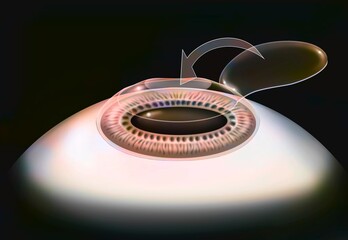
Laser-assisted cataract surgery employs high-tech lasers for selected stages of the cataract operation. Laser can be applied to make exact incisions in the cornea or assist in selected aspects of the fragmentation of the lens.
Traditional cataract surgery and laser-assisted procedures pursue the same goal to remove the cloudy natural lens and implant an artificial intraocular lens into the eye.
The selection of technique depends not on the general advantage of one method over another but on the personal eye condition of the patient.
How Is Cataract Surgery Performed?
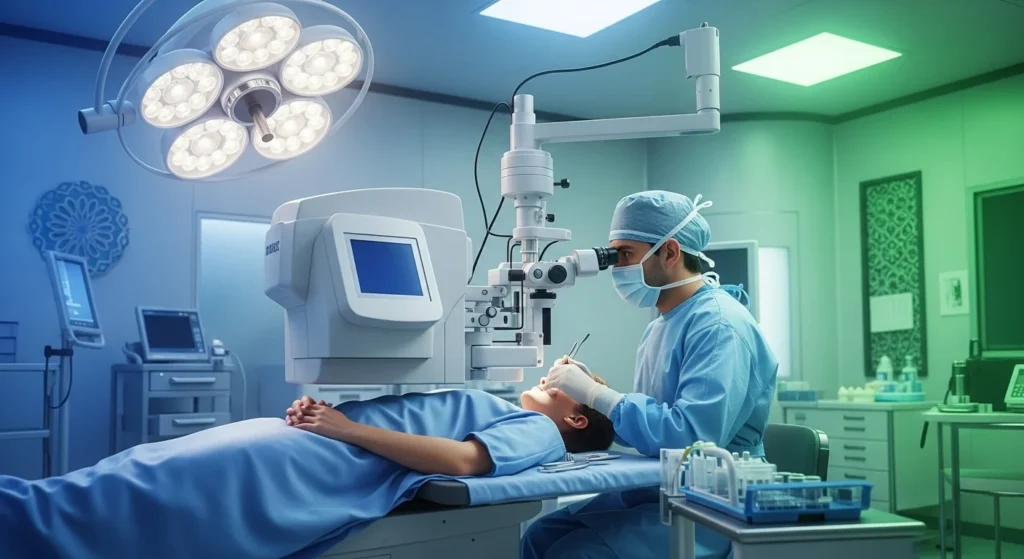
Modern cataract surgery is typically an outpatient procedure.
- Eye Examinations Before Surgery
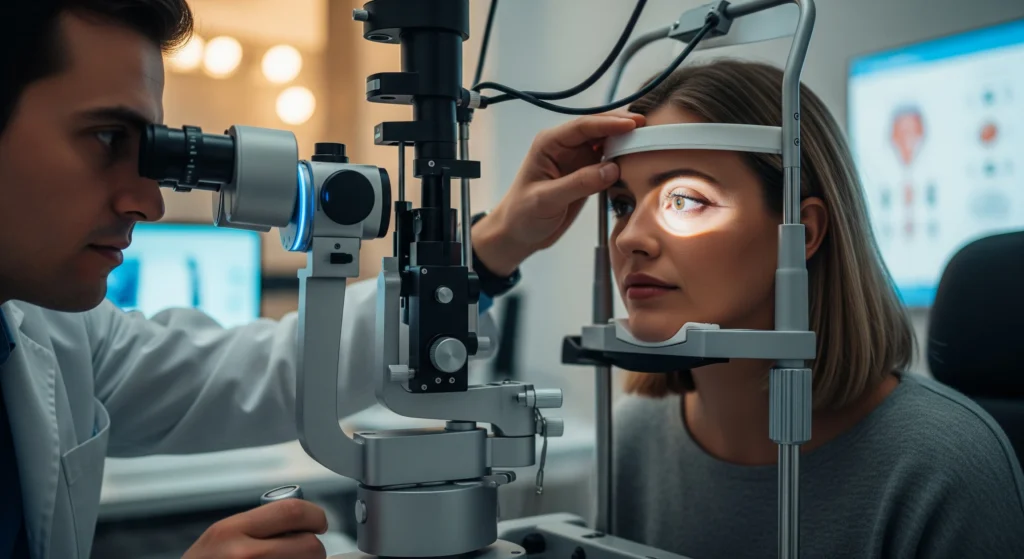
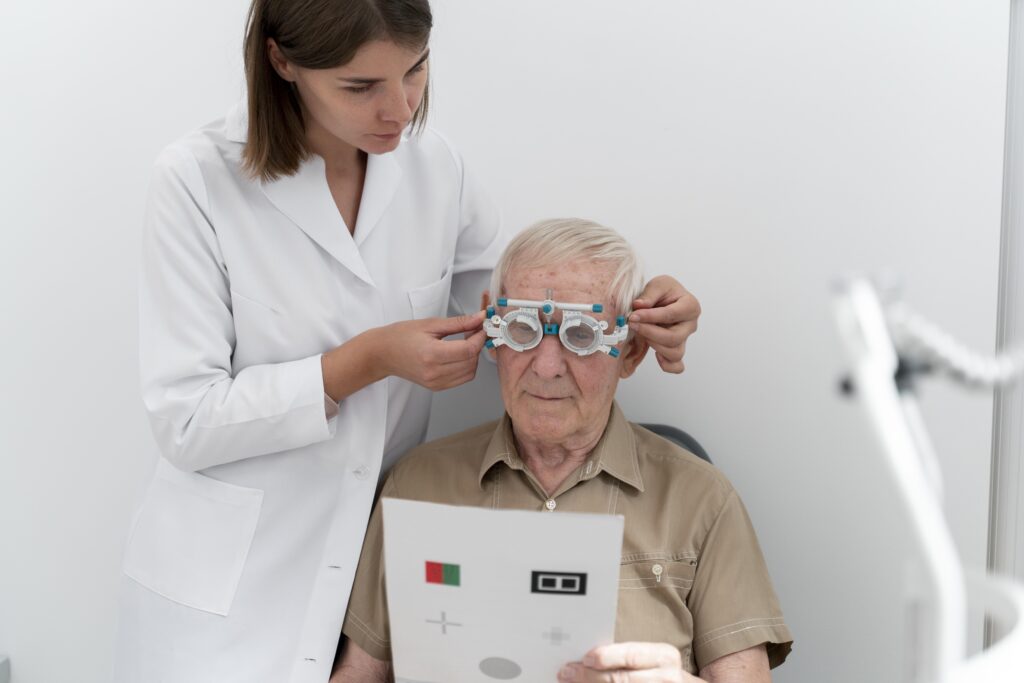
Before the operation, the doctor examines your eyes thoroughly to estimate the appropriate IOL and detect possible complications that might affect vision results.
- Anesthesia of the Eye
The eye is anesthetized through topical or local methods, so the patient is typically conscious during the procedure.
- Access to the Cloudy Lens
An extremely small incision in the eye is made by the doctor. Depending on the selected technique, the laser can help with some stages of the operation.
What Is Laser-Assisted Cataract Surgery?
Laser-assisted cataract surgery employs high-tech lasers for selected stages of the cataract operation. Laser can be applied to make exact incisions in the cornea or assist in selected aspects of the fragmentation of the lens.
Traditional cataract surgery and laser-assisted procedures pursue the same goal – to remove the cloudy natural lens and implant an artificial intraocular lens into the eye.
The selection of technique depends not on the general advantage of one method over another but on the personal eye condition of the patient.
How Is Cataract Surgery Performed?
Modern cataract surgery is typically an outpatient procedure.
- Eye Examinations Before Surgery
Prior to the operation, the doctor examines your eyes thoroughly to estimate the appropriate IOL and detect possible complications that might affect vision results.
- Anesthesia of the Eye
The eye is anesthetized through topical or local methods, so the patient is typically conscious during the procedure.
- Access to the Cloudy Lens
An extremely small incision in the eye is made by the doctor. Depending on the selected technique, the laser can help with some stages of the operation.
- Removal of Cataract
The cloudy natural lens is fragmented into tiny pieces and removed by means of microsurgery.
- IOL Implantation
A transparent man-made lens referred to as an intraocular lens is implanted in place of the natural lens that has been removed.
- Post-operative Check
After the operation, the eye is examined prior to discharge with post-operative care instructions and medication.
The actual operation does not take much time; however, the time spent in the eye center may be longer owing to preparation and observation.
Selection of the Right IOL
The intraocular lens is an integral part of cataract surgery since it is implanted into the eye after removal of the natural cloudy lens.
Some possible types of lenses may include:
Monofocal IOL
Created for good vision at one distance, mainly far vision.
Multifocal IOL
Created for vision at several distances.
Trifocal IOL
Designed to offer a wider scope of vision, ranging from distance, intermediate, and near work.
Toric IOL
Designed to aid the correction of corneal astigmatism in qualified patients.
The right type of lens depends on various factors like the patient’s eye measurement, lifestyle, and pre-existing conditions.
Potential Benefits of Cataract Surgery
Cataract surgery could bring about a number of advantages when the cloudy lens affects vision greatly.
Clarity of Vision
This operation can improve vision by removing the cloudy lens causing the haziness.
Improved Color Perception
Patients have indicated that after removal of the cloudy lens, they see better colors.
Improved Daily Functions
With improved vision, daily functions will be easier to perform.
Decreased Reliance on Glasses
Depending on the type of IOL used and the individual eye structure, patients might reduce their reliance on glasses.
Short Recovery Period
Typically, cataract surgery consists of a short procedure, but the eye continues to heal even after the process.
Recovery after Cataract Surgery
Every patient heals differently, and some people will start to see better vision immediately after the operation, whereas some will take more time for visual stabilization.
In the early stages of healing, patients will have:
- Irritation
- Blurred vision
- Increased sensitivity to light
- Tearing
- Slight redness
Eye drops may be prescribed by the surgeon based on the patient’s personal case.
Important Precautions after the Operation
After an operation, a patient might need to avoid:
- Rubbing the affected eye
- Using eye drops as prescribed
- Protecting the eye during sleep when required
- Swimming before approval by the doctor
- Strenuous exercises for the duration prescribed by the doctor
Every patient’s recovery period will be different and so will be the postoperative advice from the surgeon.
Are There Any Risks Involved with Cataract Surgery?
Cataract surgery is one of the most frequent eye surgeries; however, every surgical procedure involves some degree of risk.
Possible complications may be:
- Infection
- Inflammation
- High eye pressure
- Complications related to the retina
- Swelling of cornea
- Problems with IOL implant
- Posterior capsule opacification
- Changes in vision
Severe complications are rare, but the likelihood of their occurrence varies from person to person depending on general eye condition and health background. Your ophthalmologist should inform you about all the possible outcomes before surgery.
Should Laser Cataract Surgery Be Performed for You?
Lasers in cataract surgery are not always necessary for patients undergoing the procedure. There is a need to conduct a comprehensive examination in order to establish whether this surgery will be useful for you.
An ophthalmologist may consider the following aspects:
- Severity of cataract
- State of cornea
- Presence of astigmatism
- State of retina and optic nerve
- Eye conditions
- Required range of vision
- Suitability of IOL implant
- Overall health background
What Should an Eye-Care Center Specializing in Cataracts Offer?
When choosing cataract surgery, do not limit yourself to only looking at the advertised procedure itself or its cost. A decent eye-care center must offer:
- Complete preliminary examination
- Skilled ophthalmologists
- State-of-the-art diagnostic instruments
- Relevant surgical equipment
- Different IOLs
- Cost information for treatment
- Follow-up care
The diagnostics and planning process may sometimes matter as much as the technology used during the operation.
Conclusion
Laser cataract surgery is one of the latest methods that could be used for treating cataracts and achieving clear vision. Using measurements of the eye, surgical methods, and specific intraocular lenses allows for creating an individualized treatment for each patient.
However, the best method of surgery and lenses are different for each person. If you suspect that your cataracts start to affect your ability to read, drive, work, etc., go to a doctor and get a comprehensive eye examination.
Clear vision begins with accurate diagnosis and correct treatment.