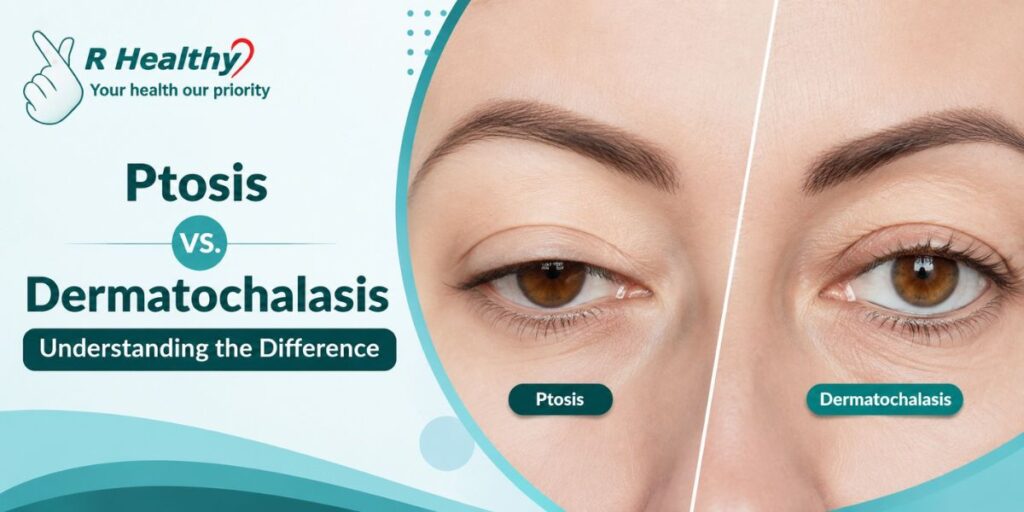
Droopy or heavy upper eyelids can be an aesthetic or a visual problem. A low eyelid position does not necessarily indicate ptosis; it can simply be a case of dermatochalasis, or excess eyelid skin.
Even though they appear similar, these two conditions target different eyelid parts and can therefore require different kinds of treatment. This is why it is essential to know how to differentiate between them.
What Is Ptosis?
When one’s upper eyelid is lower than its natural position, it is called ptosis. The condition can affect either one or both eyelids and can manifest itself in people of all ages.
Ptosis can be a congenital problem or can be caused by ageing, muscle weakness, nerve-related issues, trauma, or previous eye surgeries. In mild cases of ptosis, the patient’s eyelid can hang only a little bit. In other instances, part of the pupil is hidden, and there is a limitation of the upper visual field.
It is necessary to determine the cause first to choose the right treatment method.
Definition of Dermatochalasis
Dermatochalasis is a medical condition characterised by loose skin in the eyelid area. The skin condition usually results as one gets older since ageing reduces skin elasticity.
The loose skin on the upper eyelids gives an individual the appearance of being tired. In addition, when there is too much skin in that particular region, it may affect vision.
Dermatochalasis is not similar to ptosis, as the former involves loose skin, while the latter is associated with a low eyelid.
Common Signs of Ptosis
Several symptoms associated with ptosis include:
- Drooping of the upper eyelids (one or both)
- Trouble viewing above the eyelid
- Brow elevation
- Head tilting back for a better view
- Strained forehead muscles
- Asymmetry of the eyelids
- Small-appearing eyes
- Trouble with reading and using computers
In cases of children who suffer from ptosis, it is advisable to conduct an eye exam since untreated visual obstruction may affect their normal vision development.
Common Signs of Dermatochalasis
Symptoms for individuals suffering from dermatochalasis are as follows:
- Extra eyelid skin
- Baggy-looking eyelids
- Creases at the eyelid fold
- Tired/old appearance
- Difficulty applying makeup to the eyes
- Reduced peripheral vision (in severe cases)
The presence of extra eyelid skin doesn’t necessarily imply weakened eyelid-lifting muscles.
Can Ptosis and Dermatochalasis Exist Simultaneously?
Yes. Both conditions can exist in one person, especially as he ages.
For instance, the patient may have a weak levator muscle that leads to ptosis, and at the same time, he may have redundant eyelid skin. It is important to conduct a thorough examination before treatment.
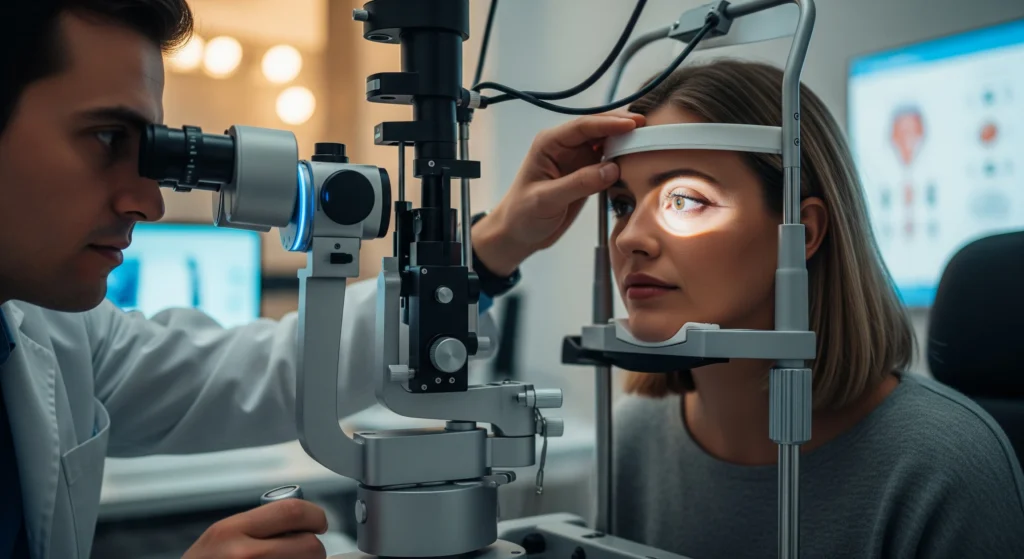
The examination can involve many aspects such as eyelid position, levator muscle strength, skin redundancy, brow position, extraocular movements, and visual fields.
What Are the Tests for Ptosis Diagnosis?
It is typically conducted by an ophthalmologist through a comprehensive examination of the eyelids and eyes. Many measurements may be done in order to identify the extent and cause of the drooping.
Tests may involve:
- Measurement of eyelid height
- Levator muscle test
- Eyelid crease examination
- Brow position measurement
- Extraocular movements test
- Pupil test
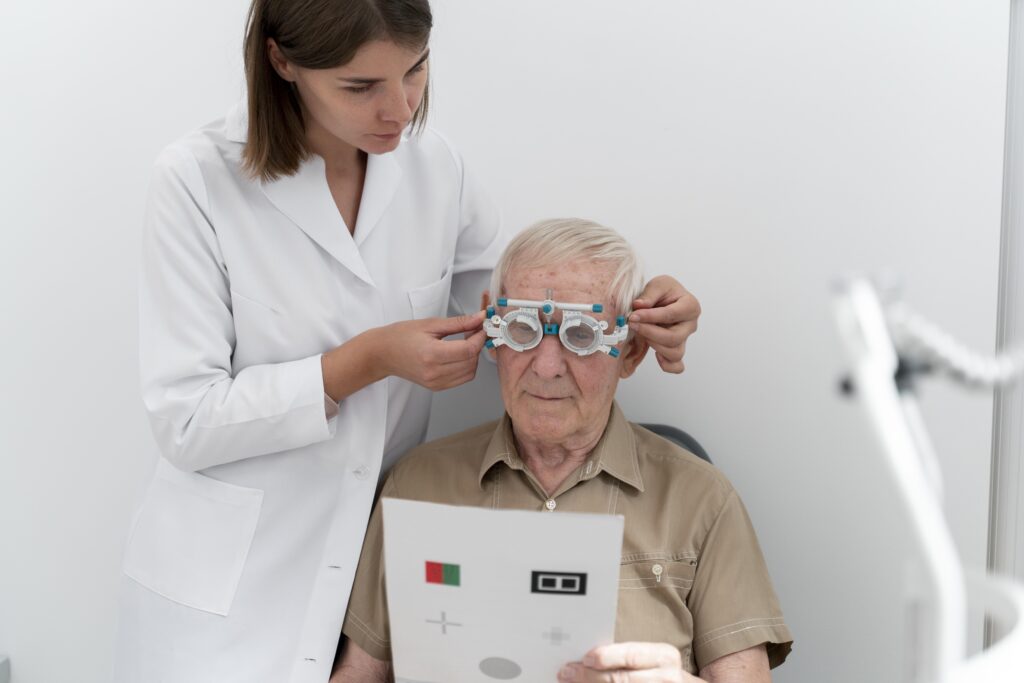
- Visual acuity test
- Visual field test
- History of prior eye surgery/trauma
Diagnosis of Dermatochalasis
Dermatochalasis is typically diagnosed by examining the eyelid skin along with the adjacent tissues.
The doctor will measure the degree of excess skin and determine if it affects your sight. Other disorders, including ptosis or brow drooping, can also be evaluated, as they may also cause a heavy eyelid appearance.
Treatment Methods for Ptosis
This type of treatment depends on the cause, extent, and impact on vision.
Sometimes mild ptosis may be observed and left untreated, especially if it doesn’t affect vision or daily life. If there is an underlying medical issue causing ptosis, it may be treated.
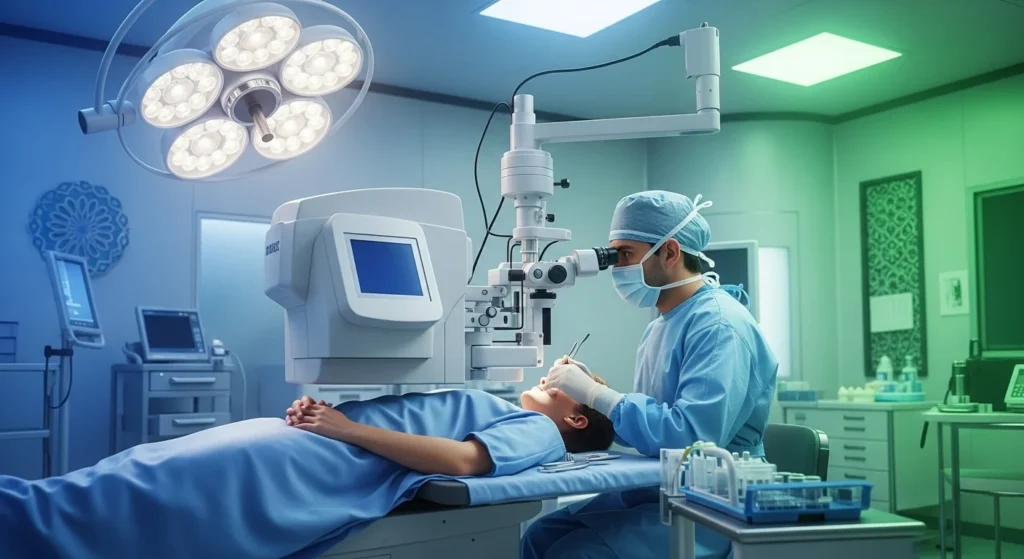
In case of structural ptosis that causes considerable visual or functional problems, surgery of the eye may be required.
Levator Surgery
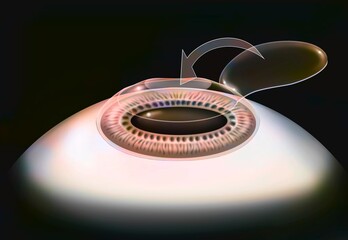
One of the techniques that can be employed is levator surgery for suitable candidates. In this case, the levator muscle and/or the tissues that support it are repaired to help lift the upper eyelid.
The extent of the operation is based on the results of eyelid measurements and levator function.
Frontalis Sling
The surgery may be done when there is a significant reduction in levator muscle function. Frontalis sling surgery utilises the forehead muscle to raise the upper eyelid.
It is typically recommended in selected cases of severe or congenital ptosis.
Treatment for Dermatochalasis
Dermatochalasis treatment will depend on the amount of excess skin and whether it is affecting the vision or the cosmetic appearance of the patient.
If treatment is indicated, the excess skin in the upper eyelid may be treated through eyelid surgery. Muscles, fat, and the position of the brow and eyelid will also be evaluated before surgery.
Since the conditions are distinct, dermatochalasis and ptosis will not always require the same surgical procedure.
What Is Ptosis Plastic Surgery?
Plastic surgery for ptosis will solve functional and aesthetic issues associated with a sagging eyelid.
When the upper eyelid covers some portion of the visual field, treatment can improve the visual field of the individual. Treatment of ptosis may also improve the symmetry and appearance of the eyelids.
The treatment will be based on the anatomy of the individual and its functional requirement, not merely the cosmetic appearance.
What Factors Affect Ptosis Surgery Cost?
Ptosis Operation versus Eyelid Surgery for Extra Skin
A patient may think all drooping eyelids call for the same operation. It is not necessarily the case.
If the condition is a result of poor muscle function, then a ptosis operation will be needed. In case of excess skin causing the heavy appearance, an eyelid skin operation will be performed.
A combination of both conditions can be treated with a combination therapy at times.
Who to Consult with When a Drooping Eyelid Occurs?
Consult an ophthalmologist in cases of drooping eyelids:
- Starts impairing vision
- Gets worse progressively
- Results in noticeable asymmetry
- Impairs reading or performance in other activities
- Appears after an eye operation
- Appears abruptly
Abrupt drooping eyelids along with double vision, bad headaches, differences in pupil sizes, facial weakness, and other neurological symptoms require immediate medical attention.
Questions to Ask During Your Visit
Patients can clarify the following issues during consultation before undergoing any treatment:
- What causes drooping of my eyelid?
- Do I have ptosis, dermatochalasis, or both?
- Does my visual field get impaired?
- Do I really need surgery?
- What kind of surgery would be right for me?
- What results can be achieved?
- How much time will recovery take?
- Which risks should I know?
- Which expenses will be included in the ptosis surgery price?
Such questions may be helpful for a patient to get informed about his diagnosis and treatment methods.
Conclusion
Ptosis and dermatochalasis can both cause the appearance of drooping eyes, but these are two different diseases. In ptosis, the lid margin is in a lowered position, whereas in dermatochalasis, there is too much eyelid skin.
Some people suffer from both diseases, and, therefore, the examination of the eyes and eyelids is necessary to choose the right method of treatment. It may include observation, treatment of the underlying disease, eyelid surgery, and ptosis eye surgery.
If you have such a problem that affects your vision or appearance, it is advisable to visit a qualified ophthalmologist or oculoplastic surgeon. The treatment should be chosen according to the underlying cause and not only because of aesthetic needs.