
A cataract is an eye disorder where the natural lens of the eye becomes cloudy, causing gradual loss of the ability to see properly. A patient may not be aware of a cataract at the beginning, but when it becomes worse, tasks like reading, driving, work-related activities, and recognizing people can become harder.
When a cataract begins causing serious problems with one’s vision, cataract eye surgery becomes the solution. But surgery is not necessary right after the detection of a cataract; the need for it will depend on how much your vision and daily life are affected by the cataract.
What Is a Cataract?
The natural lens in our eyes focuses light on the retina, making it possible for us to have clear vision. When one has a cataract, the lens gets cloudy rather than clear.
One might get a cataract as a result of aging, but there are other factors that can contribute to the appearance of cataracts, such as eye trauma, some diseases, surgeries in the past, long-time intake of certain drugs, or congenital issues.
The main signs are:
- Blurred or cloudy vision
- Increased sensitivity to bright lights
- Trouble seeing in the dark
- A halo effect around light
- Color dullness
- Frequent changes in glasses prescription
- Trouble reading or doing close work
- Difficulties driving
The symptoms depend on where the cataract is located and how progressed it is.
Do All Cataracts Require Surgery?
Not necessarily. The presence of a cataract does not mean that surgery is required.
In the early stage of development, symptoms might not be very bothersome and can be treated through new glasses or increased lighting in the room. Ophthalmologists can keep track of the progress of the cataract through eye examinations.
Surgery is required when the cataract starts to affect your daily life or when the advantages from its removal start to outweigh possible risks.
When Is Cataract Eye Surgery Required?
There is no specific number regarding visual acuity that determines the necessity of surgery for everyone. It depends on each patient individually.
The doctor may suggest undergoing surgery when:
1. You Have Problems Performing Daily Tasks
For anyone who has found reading, cooking, using a computer, seeing faces, and other daily tasks challenging because of poor vision, surgery may be in order.
2. Problems Driving at Night
Glare, halos, contrast sensitivity, and poor night vision make driving unpleasant or dangerous. Anyone whose cataracts affect their ability to drive safely should talk about getting treated with their eye doctor.
3. Vision Can No Longer Be Corrected by Wearing Glasses
In the early stages, changing one’s glasses might help one see better. However, as a cataract progresses, wearing glasses might fail to give sufficient clarity.
4. Problems with Excessive Glare or Light Sensitivity
Some people have considerable trouble with excessive light coming from headlights, sunlight, or artificial light indoors. When this gets in the way of living one’s life, it may be time to think about getting rid of the cataracts.
5. Poor Quality of Life
It does not come down just to the eye chart measurement. The person needs to discuss getting rid of the cataract if poor vision prevents him or her from taking part in the things he or she wants to do.
6. The Cataract Affects Some Other Eye Problem
In some cases, the cataract may be considered as an underlying cause of other eye disorders or as something that obstructs the examination and treatment of the posterior eye parts.
How to Determine When Surgery Is Required?
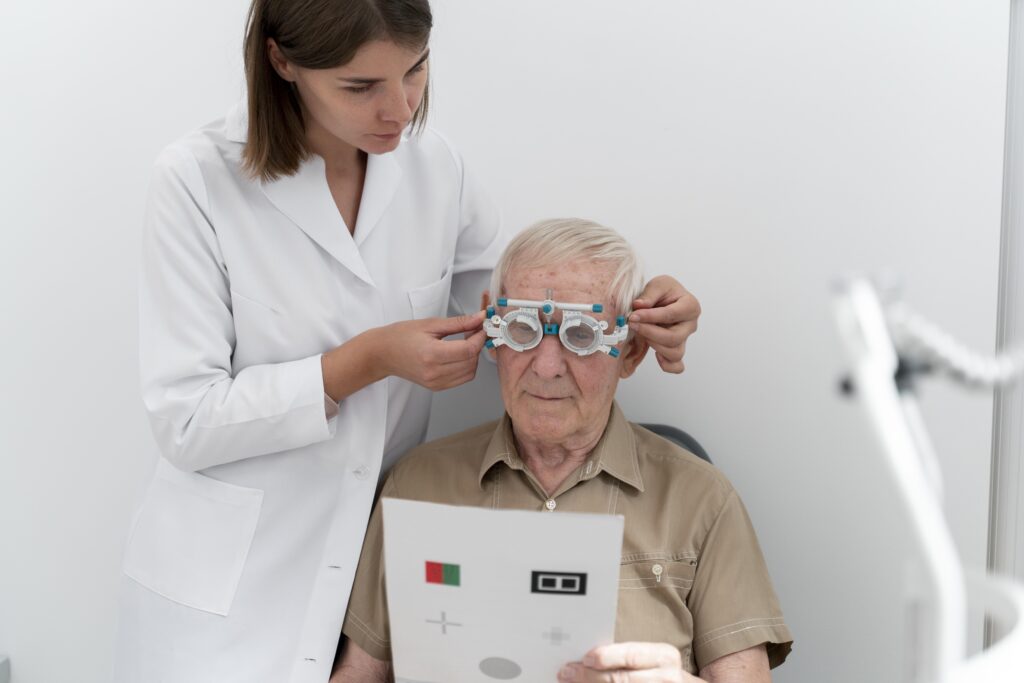
Before suggesting any type of treatment, an ophthalmologist conducts a comprehensive eye examination. Such an examination usually includes:
- Visual acuity test
- Refraction
- Slit-lamp exam
- Measurement of the eye pressure
- Retina exam
- Cornea exam
- Biometry and IOL measurements when surgery is needed
Your doctor takes into account your complaints, way of life, medical history, and your specific visual demands.
All of this information is used in order to find out whether your vision issues are related to the cataract and need surgical intervention.
Cataract Eye Surgery Procedure
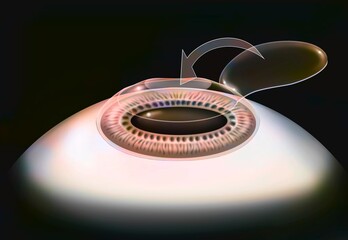
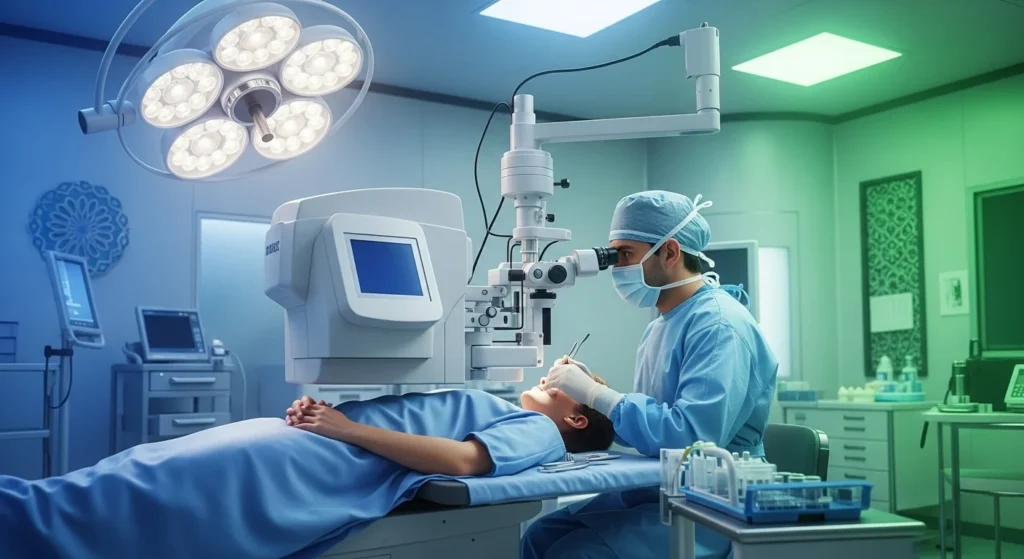
During the procedure of cataract eye surgery, the cloudy natural lens is taken out and replaced with an artificial intraocular lens (IOL).
Such a procedure is usually conducted using local or topical anesthesia. Through a small incision in the eye, the clouded lens is removed, and the selected IOL is placed in the eye.
Which IOL will be used depends on various factors, among which are your eye health, visual needs, way of life, and conditions like astigmatism.
What Are the Advantages of Cataract Surgery?
If cataracts cause you to have poor vision, the advantages of removing cataracts include:
- Clearer vision
- Ability to see well while reading and doing everyday tasks
- Better distance vision
- Decrease in glare from the cataract
- More accurate colour vision
- Increased independence in daily life
The results will vary depending on the health of your eye and any other existing eye problems.
Is It Necessary to Have Cataract Surgery Early?
No, not all patients need to have early surgery just because a cataract has been diagnosed.
If a cataract is small and not causing you difficulties in your everyday activities, regular monitoring of the situation can be performed. But there is no need to postpone the operation until you become blind as a result of cataract progression.
The optimum moment is when your cataract has become advanced enough to make your life difficult and surgery necessary.
Expected Outcomes Post-Surgery
Visual acuity may recover fairly fast after surgery, but recovery will be different from one patient to another. Temporary blurry vision, dry eyes, irritation, or photophobia may occur during the recovery period.
Your eye doctor may give you instructions for using eye drops and advice on:
- Eye protection
- Reflexive eyelid rubbing
- Exercising
- Water contact
- Follow-up visits
- Medicine intake
Abiding by the post-surgical care instructions can help achieve proper recovery.
When Should You Get Your Eyes Checked?
You should schedule an eye check-up in case you have constant changes in your visual acuity, particularly when you have:
- Constantly blurred vision
- Problems with vision at night
- Glare or halos
- Frequent change of prescription
- Reading problems even in well-lit rooms
- Difficulties in recognizing people’s faces
- Diminished vision impacting your daily activities
An examination will help you find out if your condition is caused by cataracts or any other eye diseases.
FAQS
- Under what conditions would cataract surgery be required?
When the cataract causes problems in vision or any other daily activity like driving or working, or it interferes with the patient’s quality of life, it may require surgery. This will require an assessment by an ophthalmologist.
- How can one avoid having cataract surgery?
One cannot avoid having cataract surgery since it is the only way through which a cataract that interferes with vision can be treated. One may temporarily manage the early signs of the condition with better glasses or lighting.
- Must the cataract be fully developed to allow cataract eye surgery?
No. Cataract surgery does not necessarily have to wait for the cataract to become fully developed before being done.
- Is cataract eye surgery painful?
Before doing cataract surgery, the patient’s eye is numb, and hence one might not feel pain although he will feel some other sensations.
- Does one’s vision become clear immediately after the surgery?
Some people see clearly right away following the surgery while others do not.
- Do I have to wear glasses after cataract surgery?
It might be necessary for you to wear glasses for certain activities after surgery. This will depend on the IOL chosen and your visual needs.
- Can the cataract reappear after surgery?
No, since the cataract is removed during the procedure. Some people might experience clouding of the posterior capsule of the artificial lens; but this is a totally different phenomenon that can be corrected with a laser.
- How is the appropriate time to undergo cataract surgery determined?
Based on your symptoms, vision impairment, lifestyle, eye conditions, and the influence of the cataract on your life, your doctor decides on the time of surgery.
- What are the consequences if I postpone the cataract surgery?
The cataract can keep developing, thus affecting your vision negatively. The appropriate timing for the surgery can be different for each person, so regular eye checks are essential until the decision is made to operate.
- How do I find out if my vision loss is due to cataracts?
An eye checkup can reveal the reasons for your symptoms – it might be either the cataract or other ocular condition causing vision problems.
Conclusion
Surgery for the cataract does not have to be undertaken just because you have a diagnosis of the cataract itself. What is really relevant here is the extent to which this cataract impacts your life and visual acuity. Once your vision becomes affected to such an extent that it interferes with normal functioning, it might be necessary to consult a specialist about cataract eye surgery.
The examination of your eyes will clarify the situation.